2026-09-27
What is Lower Canthoplasty (Eye Corner Lowering Surgery)?
Learn about eye corner lowering surgery (lower canthoplasty): how it softens upturned eyes, recovery details, and who should avoid the procedure, including cases with sanpaku eyes or inward eyelashes.
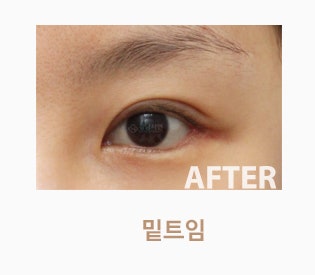

What is Eye Corner Lowering Surgery (Lower Canthoplasty)?
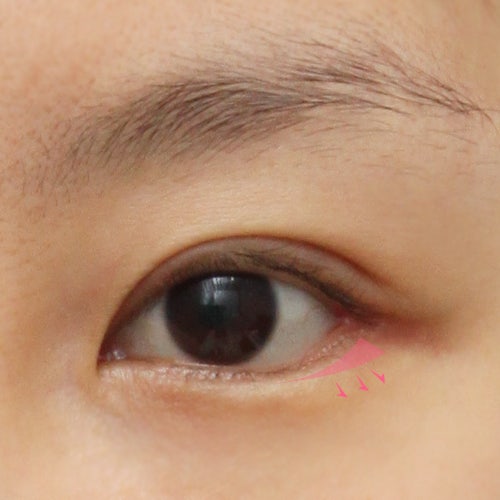
Eye corner lowering surgery
goes by various names such as lower canthoplasty, under-eye S-line surgery, and more.
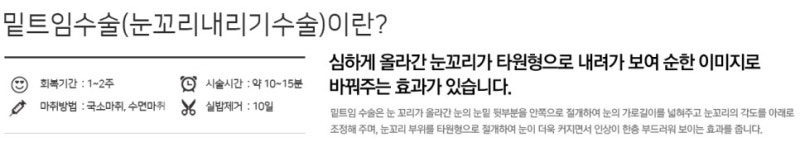
This procedure slightly lowers the outer corner of the eye that appears upturned,
creating a softer and gentler impression.
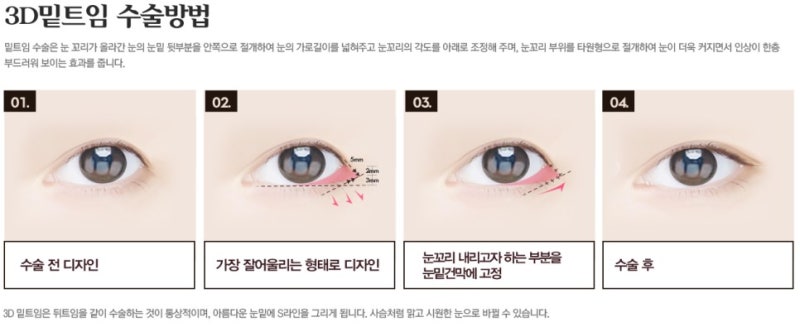

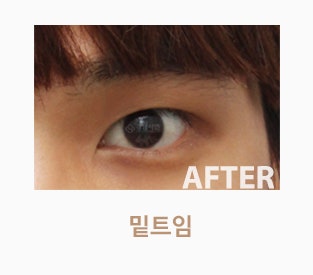
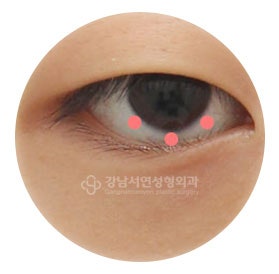
Lower canthoplasty is performed through the conjunctiva, leaving no visible external scars.
However, because the lower eyelid retractor muscle is sutured to the tarsal plate, it is not suitable for individuals whose eyelashes naturally poke into the eyes
or those with thick under-eye skin and fat.
In such cases, additional skin excision may be necessary.
Therefore, it is essential to determine whether this procedure is right for you through a consultation with a board-certified plastic surgeon,
and it must strictly be avoided by individuals who have sanpaku eyes, where the sclera shows beneath the iris.
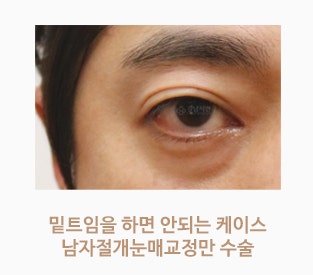
The patient shown above was a case where lower canthoplasty should not be performed;
instead, incisional ptosis correction for men was performed to change deep double eyelids into a subtle monolid look.

Occasionally, right after surgery, the lower eyelid may not adhere snugly to the eyeball, but this resolves within a few days.
Swelling can also cause temporary chemosis (conjunctival edema), which gradually subsides following the procedure.
When it comes to eye corner lowering surgery, also known as lower canthoplasty,
only an accurate diagnosis to verify whether you are a suitable candidate will lead to optimal results.
If you have any questions, feel free to contact us via Naver TalkTalk!



Frequently Asked Questions
What is the primary effect of eye corner lowering surgery (lower canthoplasty)?
It lowers the upturned outer corner of the eye to create a softer impression and a gentle under-eye S-line, helping soften harsh looks and widen the eye contour.
Does lower canthoplasty leave any visible external scarring?
Scarring is virtually invisible from the outside. The incision and suturing are performed via the internal conjunctiva, minimizing any concern regarding visible scars.
Can someone with sanpaku eyes undergo lower canthoplasty?
No, it is not recommended and should be avoided for individuals with sanpaku eyes. Since the lower sclera is already exposed, lower canthoplasty can accentuate this condition; a thorough professional consultation is essential.
Will eyelid eversion or chemosis after surgery resolve?
Yes, these gradually resolve within a few days. Immediately following the procedure, slight detachment of the eyelid from the globe or temporary chemosis due to swelling may occur, but both improve naturally over time.
Who is not an ideal candidate for eye corner lowering surgery?
It is not recommended for individuals with inward-pointing eyelashes (trichiasis), thick under-eye fullness, or sanpaku eyes. Because the procedure sutures the eyelid retractor to the tarsus, these cases may require alternative approaches, such as skin excision.